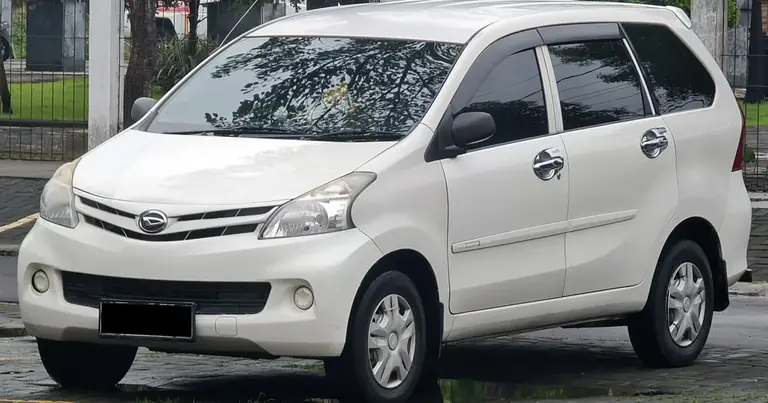
The second-generation Xenia F600 launched in 2011 updated the utilitarian recipe with a more aerodynamic front fascia, enhanced cabin ergonomics and improved passenger comfort. Designed as an affordable, heavy-duty family carrier, systematic Daihatsu Xenia maintenance is crucial to preserve transmission smoothness and maintain the longevity of its hardworking mechanical components over prolonged suburban commuting.
Engine choices remain focused on the 1.0-litre EJ-VE and 1.3-litre K3-VE engines, with the optional four-speed automatic gearbox gaining widespread popularity on the 1.3. While the basic mechanical architecture is remarkably robust, ignition coil degradation is common on urban vehicles, where tired pencil ignition coils induce misfires and flat spots under acceleration around 2,500 rpm. Automatic models also require strictly scheduled fluid changes to avoid sluggish gear shifts when cold.