Plan d’maintenance Daihatsu Xenia II (F650, facelift 2019)
Logo Daihatsu

Online service book

Logo Daihatsu

📖Daihatsu Xenia II (facelift 2019): pinnacle of the rear-drive generation

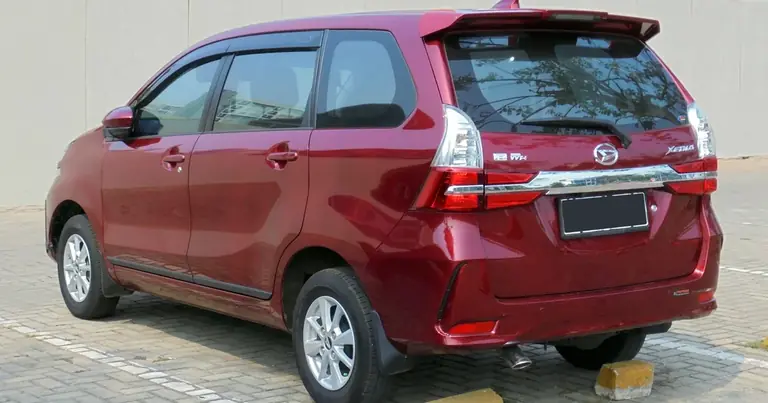
Daihatsu Xenia II (F650, facelift 2019) (2019-2021)

The final update to the second-generation Xenia in 2019 introduced split-level LED headlamps, updated climate controls and the headline addition of the 1.5-litre 2NR-VE engine alongside the 1.3-litre unit. As the ultimate iteration of the rear-wheel-drive platform, proactive Daihatsu Xenia maintenance ensures that high-mileage examples continue to provide dependable family transportation without surprise breakdowns.

The 1.5-litre engine provides 103 hp, transforming the car's long-distance cruising ability when fully occupied. However, owners must verify that the manufacturer recall regarding the in-tank fuel pump module has been carried out, as swelling impellers can cause sudden engine cutouts. Furthermore, check the 1.5-litre engine for early signs of coolant weeping from the water pump around the auxiliary drive belt pulley.

Suivi free

Entrez votre number plate d’number plate afin de suivre freeement votre Xenia II (F650, facelift 2019)

Garajo prépare votre garage et vous permet ensuite de suivre les maintenances, les rappels et les points à surveiller.

UKGB

Owner notes

The reassuring points, known weak spots and deadlines you should not let slip.

Reassuring points

Reliability
  • Desirable 1.5-litre 2NR-VE engine option providing ample torque for motorway cruising and fully laden travel.
  • Upgraded exterior aesthetics including twin-tier LED headlights and updated cabin dashboard appointments.
  • Tried-and-tested rear-wheel-drive architecture delivering bulletproof reliability and impressive carrying capacity.
  • Modest servicing costs with exceptional aftermarket parts support across mechanical systems.

Chronic weak spots

Keep an eye on
  • In-tank fuel pump impeller recall: defective impellers can swell, causing fuel starvation and sudden engine stalling.
  • Water pump seepage on 2NR-VE: inspect the water pump casing for dried pink coolant crystals before overheating occurs.
  • Front shock absorber top nut torque: verify safety recall inspection for potential loose top damper fastenings.
  • Automatic gearbox engagement delay: sluggish D-to-R shifts when cold indicate aged ATF requiring urgent renewal.
  • Front brake disc warping: heavy braking on vehicles used primarily for weekend family road trips causes pedal shudder.

Critical deadlines

Do not miss
  • Engine oil and filter renewal every 10,000 km or 6 months using approved 0W-20 or 5W-30 synthetic lubricant.
  • Automatic transmission and rear axle differential oil changes every 40,000 km or 24 months.
  • Brake fluid flush and caliper slide inspection every 40,000 km or 2 years.
  • Coolant flush and water pump leak inspection every 60,000 km or 48 months.

Fréquences d'maintenance recommandées

Service markers for petrol/diesel versions. Exact intervals vary by engine and model year.

Oil change

Every 15 000 km

Every 1 year

Service

Every 15 000 km

Every 1 year

Brake pads

Every 50 000 km

Every 2 years

Vehicle léger et modeste : usure des number platettes généralement modérée

Timing belt / chain

Every 100 000 km

Every 5 years

Battery (12 V)

Every 50 000 km

Every 4 years

Powertrains and average consumption

Average consumption from manufacturer data for the versions available in this generation.

Petrol and diesel powertrains

Petrol, diesel or LPG versions. The intervals shown cover the usual mechanical jobs.

Estimated average budget

Standard cost

Servicing a Daihatsu Xenia II (F650, facelift 2019) sits in line with the market average.

Simple oil change~100
Full service~265
Front brake pads~125
Timing-belt kit~650
Tyres (set of 4)~320

* Indicative estimates for parts and labour.

Frequently asked questions about Daihatsu Xenia II (F650, facelift 2019)

What are the common problems on the Xenia II (F650, facelift 2019)?
Xenia II (F650, facelift 2019) owners should especially watch: In-tank fuel pump impeller recall: defective impellers can swell, causing fuel starvation and sudden engine stalling. Water pump seepage on 2NR-VE: inspect the water pump casing for dried pink coolant crystals before overheating occurs. Garajo includes these watch points so you can act early.
When should you change the timing belt on a Xenia II (F650, facelift 2019)?
The timing belt is usually replaced every 100,000 km or 5 years on this type of engine.
Where can I find the service book for the Daihatsu Xenia II (F650, facelift 2019)?
Garajo offers a free digital service book, always up to date, with reminders and a detailed history for your Daihatsu Xenia II (F650, facelift 2019).
How much does it cost to service a Daihatsu Xenia II (F650, facelift 2019)?
The service budget for a Daihatsu Xenia II (F650, facelift 2019) sits in line with the market average. Allow about 265 € for a full service, for example. Garajo estimates your budget by powertrain and tracks what you actually spend, for free.
Which Daihatsu Xenia II (F650, facelift 2019) powertrain is best for town use?
This model is only available as petrol/diesel. Fuel mix: 4 petrol versions. In town, prefer the most economical, well-serviced petrol/diesel version.
Which Daihatsu Xenia II (F650, facelift 2019) powertrain should you choose if you mostly drive on the motorway?
This model is only available as petrol/diesel. Fuel mix: 4 petrol versions. On the motorway, prefer petrol/diesel versions with the best power-to-consumption compromise.

Ne ratez plus jamais un maintenance

Gérez l'maintenance de votre Daihatsu Xenia II (F650, facelift 2019) freeement.
Centralise your history and spending in a few clicks.Téléchargez le service book de votre Daihatsu Xenia II (F650, facelift 2019) en PDF à tout moment.

Créer mon carnet (Free)