Plan d’maintenance Daihatsu Xenia III (W100)
Logo Daihatsu

Online service book

Logo Daihatsu

📖Daihatsu Xenia III (W100): the modern front-wheel-drive transformation

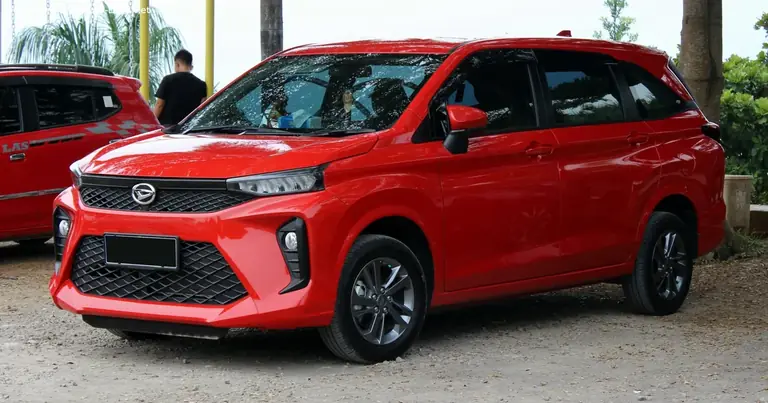
Daihatsu Xenia III (W100) (2021-Présent)

Unveiled in late 2021, the third-generation Xenia W100 completely reinvented the model by transitioning to the modern Daihatsu New Global Architecture (DNGA) front-wheel-drive monocoque platform. Delivering vast improvements in cabin refinement, ride comfort and passenger safety, diligent Daihatsu Xenia maintenance is essential to protect its advanced continuously variable transmission and modern vehicle electronics.

Under the bonnet, drivers choose between the 1.3-litre 1NR-VE and the 1.5-litre 2NR-VE Dual VVT-i engines, now mated to Daihatsu's innovative D-CVT gearbox which combines belt drive with a planetary split-gear set for higher cruising efficiency. To prevent transmission judder and hesitation when accelerating around 40 km/h, the specialised CVT fluid must be renewed on schedule. Regular cleaning of the electronic throttle body is also needed to avert idle speed dips when air conditioning kicks in.

Suivi free

Entrez votre number plate d’number plate afin de suivre freeement votre Xenia III (W100)

Garajo prépare votre garage et vous permet ensuite de suivre les maintenances, les rappels et les points à surveiller.

UKGB

Owner notes

The reassuring points, known weak spots and deadlines you should not let slip.

Reassuring points

Reliability
  • Modern DNGA front-wheel-drive platform delivering vastly superior ride comfort, cabin space and handling refinement.
  • Innovative D-CVT transmission combining belt drive with planetary split gears for improved fuel economy and motorway pace.
  • Proven 1.3-litre 1NR-VE and 1.5-litre 2NR-VE engines equipped with maintenance-free timing chains.
  • Up-to-date passive and active safety packaging alongside very reasonable routine ownership costs.

Chronic weak spots

Keep an eye on
  • D-CVT gearbox fluid servicing: neglected CVT fluid causes engine rev flaring and hesitation around 40 km/h during acceleration.
  • Electronic throttle body and engine mounts: carbon buildup and fatigued mounts cause noticeable cabin vibration in Drive at idle.
  • Front suspension bushes and tyre wear: heavily loaded vehicles on rough roads cause premature front tyre shoulder scrubbing.
  • Auxiliary 12V battery health: modern electronic accessories and stop-start demand healthy battery voltage to avoid false fault codes.
  • Front brake disc and pad wear: increased kerb weight and regenerative coasting dynamics demand regular brake pad inspection.

Critical deadlines

Do not miss
  • D-CVT gearbox fluid drain and refill every 40,000 km or 24 months using genuine Daihatsu/Toyota CVT-FE fluid.
  • Engine oil (0W-20) and filter replacement every 10,000 km or 12 months (7,500 km in severe urban duty).
  • Throttle body cleaning and electronic idle relearn every 30,000 km to maintain smooth idling.
  • Brake fluid replacement and front suspension geometry check every 40,000 km or 2 years.

Fréquences d'maintenance recommandées

Service markers for petrol/diesel versions. Exact intervals vary by engine and model year.

Oil change

Every 15 000 km

Every 1 year

Service

Every 15 000 km

Every 1 year

Brake pads

Every 50 000 km

Every 2 years

Vehicle léger et modeste : usure des number platettes généralement modérée

Timing belt / chain

Every 100 000 km

Every 5 years

Battery (12 V)

Every 50 000 km

Every 4 years

Powertrains and average consumption

Average consumption from manufacturer data for the versions available in this generation.

Petrol and diesel powertrains

Petrol, diesel or LPG versions. The intervals shown cover the usual mechanical jobs.

Estimated average budget

Standard cost

Servicing a Daihatsu Xenia III (W100) sits in line with the market average.

Simple oil change~85
Full service~265
Front brake pads~125
Timing-belt kit~650
Tyres (set of 4)~400

* Indicative estimates for parts and labour.

Frequently asked questions about Daihatsu Xenia III (W100)

What are the common problems on the Xenia III (W100)?
Xenia III (W100) owners should especially watch: D-CVT gearbox fluid servicing: neglected CVT fluid causes engine rev flaring and hesitation around 40 km/h during acceleration. Electronic throttle body and engine mounts: carbon buildup and fatigued mounts cause noticeable cabin vibration in Drive at idle. Garajo includes these watch points so you can act early.
When should you change the timing belt on a Xenia III (W100)?
The timing belt is usually replaced every 100,000 km or 5 years on this type of engine.
Where can I find the service book for the Daihatsu Xenia III (W100)?
Garajo offers a free digital service book, always up to date, with reminders and a detailed history for your Daihatsu Xenia III (W100).
How much does it cost to service a Daihatsu Xenia III (W100)?
The service budget for a Daihatsu Xenia III (W100) sits in line with the market average. Allow about 265 € for a full service, for example. Garajo estimates your budget by powertrain and tracks what you actually spend, for free.
Which Daihatsu Xenia III (W100) powertrain is best for town use?
This model is only available as petrol/diesel. Fuel mix: 4 petrol versions. In town, prefer the most economical, well-serviced petrol/diesel version.
Which Daihatsu Xenia III (W100) powertrain should you choose if you mostly drive on the motorway?
This model is only available as petrol/diesel. Fuel mix: 4 petrol versions. On the motorway, prefer petrol/diesel versions with the best power-to-consumption compromise.

Ne ratez plus jamais un maintenance

Gérez l'maintenance de votre Daihatsu Xenia III (W100) freeement.
Centralise your history and spending in a few clicks.Téléchargez le service book de votre Daihatsu Xenia III (W100) en PDF à tout moment.

Créer mon carnet (Free)